Cotton Lace vs Polyester Lace: Key Differences Explained
At first glance, cotton lace and polyester lace may appear similar, but their distinct characteristics set them apart in terms of production, performance, and maintenance. While one embodies the natural elegance of vintage charm, the other is a synthetic marvel designed for durability and cost-effectiveness.
Choosing the right lace doesn’t just impact the aesthetic appeal of your garment; it directly influences factors like comfort, longevity, and care requirements. In this comprehensive guide, we’ll uncover the true differences between cotton lace and polyester lace to help you make an informed decision for your textile projects.
Quick Comparison: Cotton Lace vs Polyester Lace
| Feature | Cotton Lace | Polyester Lace |
|---|---|---|
| Fiber Composition | Natural (derived from cotton plants) | Synthetic (petroleum-based) |
| Texture & Feel | Soft, organic, matte finish | Smooth texture with a subtle sheen |
| Airflow | Highly breathable | Limited breathability |
| Shrinkage | Likely (3-5% after washing) | Minimal shrinkage |
| UV Resistance | Moderate tolerance | Outstanding resistance |
| Wrinkle Resistance | Prone to wrinkles | Resists wrinkles effectively |
| Dyeing Potential | Best with natural/reactive dyes | Supports vibrant synthetic dye options |
| Cost | Higher price point | Budget-friendly |
| Ideal Applications | Baby clothing, bridal wear, eco-conscious designs | Home décor, everyday apparel, bulk production |
Understanding Cotton Lace
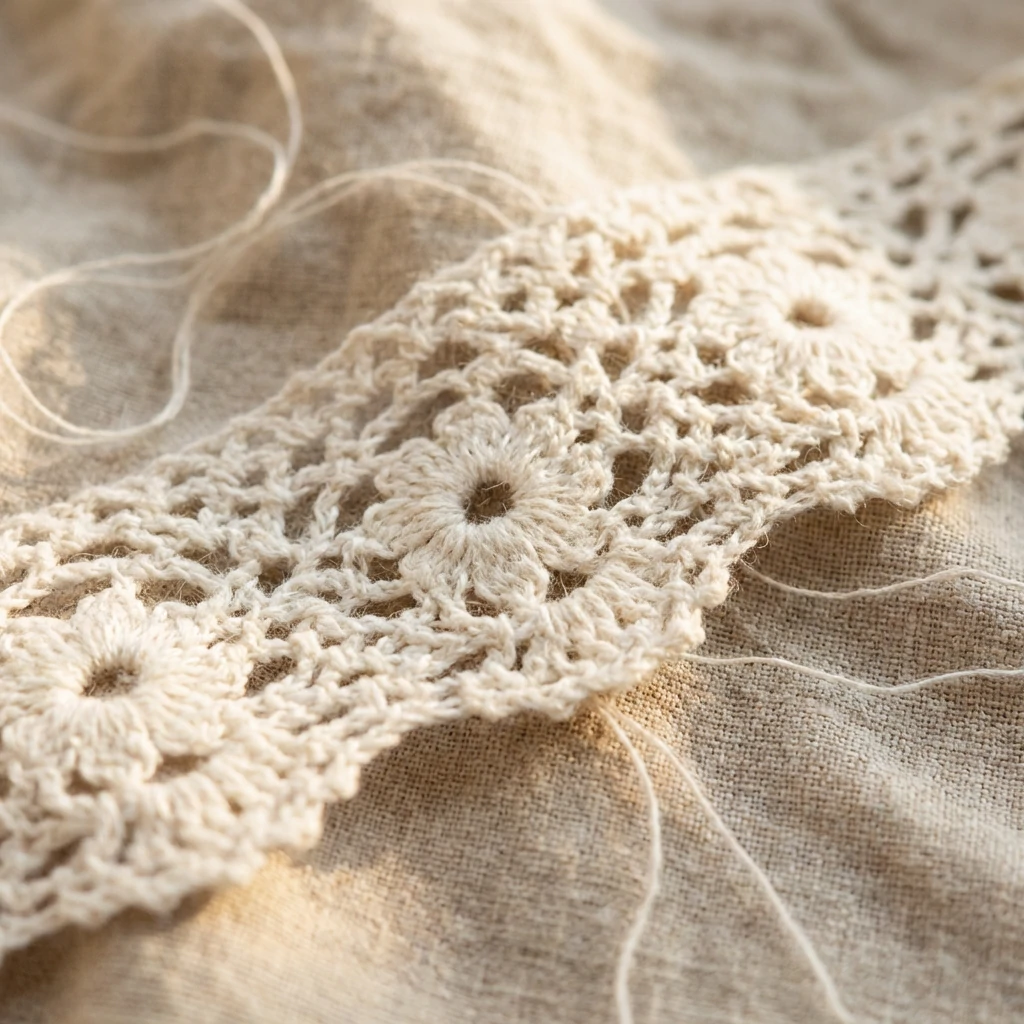
Cotton lace is crafted from natural fibers obtained from the cotton plant. Renowned for its timeless appeal, this material has been integral to lace-making traditions for centuries. Unlike synthetic alternatives, cotton lace exudes an organic texture and a soft matte finish, making it an ideal choice for garments that prioritize comfort and skin-friendliness.
The breathable nature of cotton lace is one of its standout features. It effortlessly wicks moisture while allowing air circulation, ensuring superior comfort even during prolonged wear. This makes it particularly suitable for sensitive applications such as baby clothing or bridal attire where gentle fabric is paramount.
Popular Types of Cotton Lace
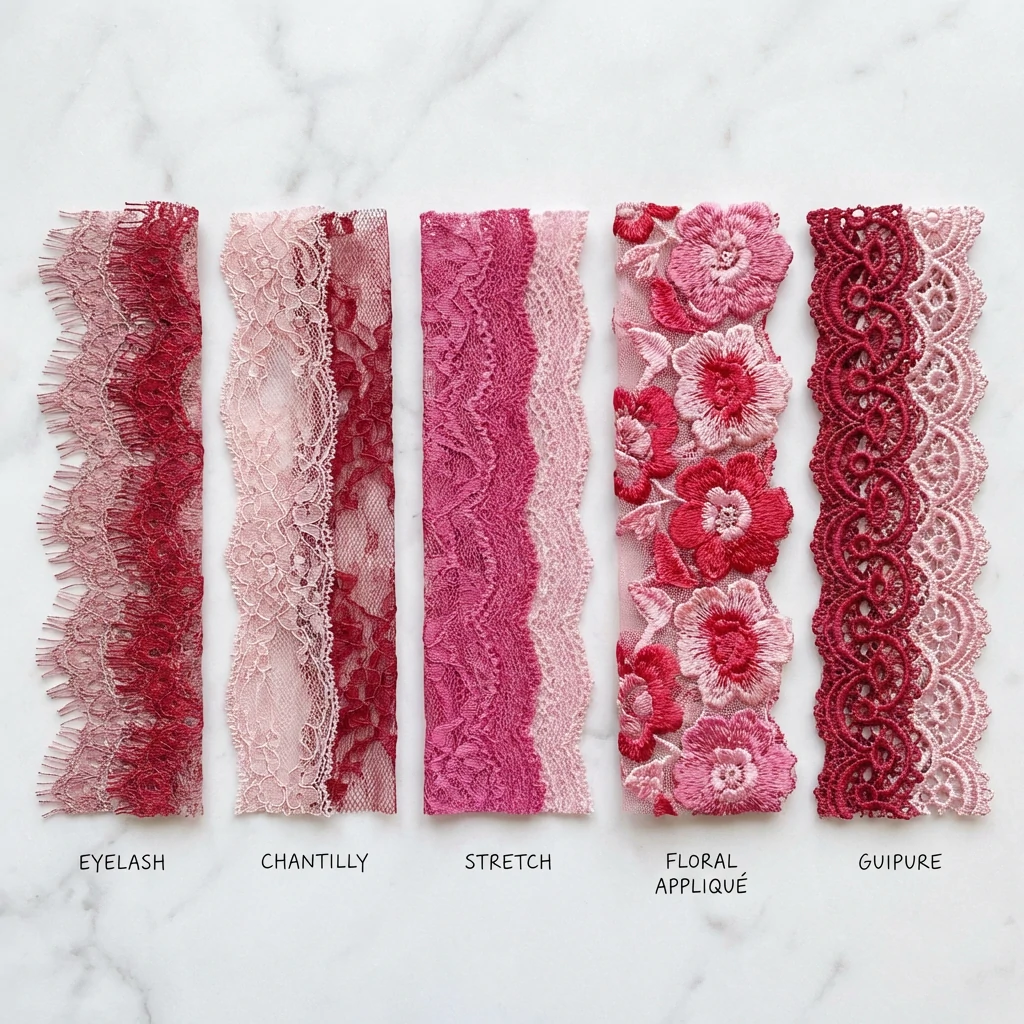
- Cotton Crochet Lace: Known for its thick, handcrafted texture and artisanal aesthetic.
- Cotton Embroidery Lace: Features intricate embroidered patterns on a cotton base.
- Cotton Guipure Lace: Characterized by bold motifs without a mesh background.
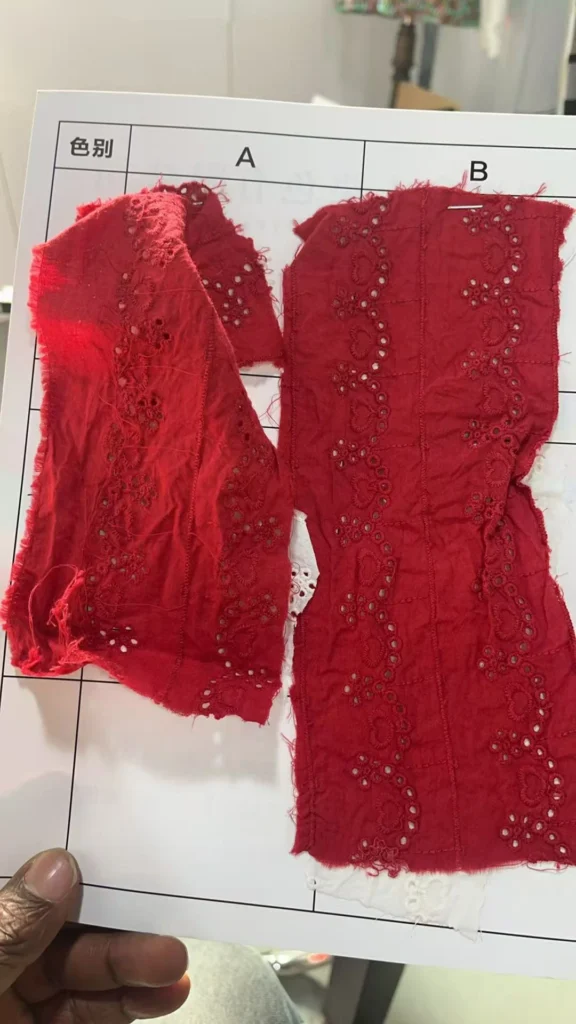
- Cotton Eyelet Lace: Offers decorative punched hole designs with embroidered edges.
However, cotton lace does have its drawbacks. It tends to wrinkle easily, requires pre-treatment to minimize shrinkage, and may yellow over time due to extended sunlight exposure or improper storage. Additionally, its production costs are higher, making it a premium option reserved for high-quality garments and projects.
Discovering Polyester Lace
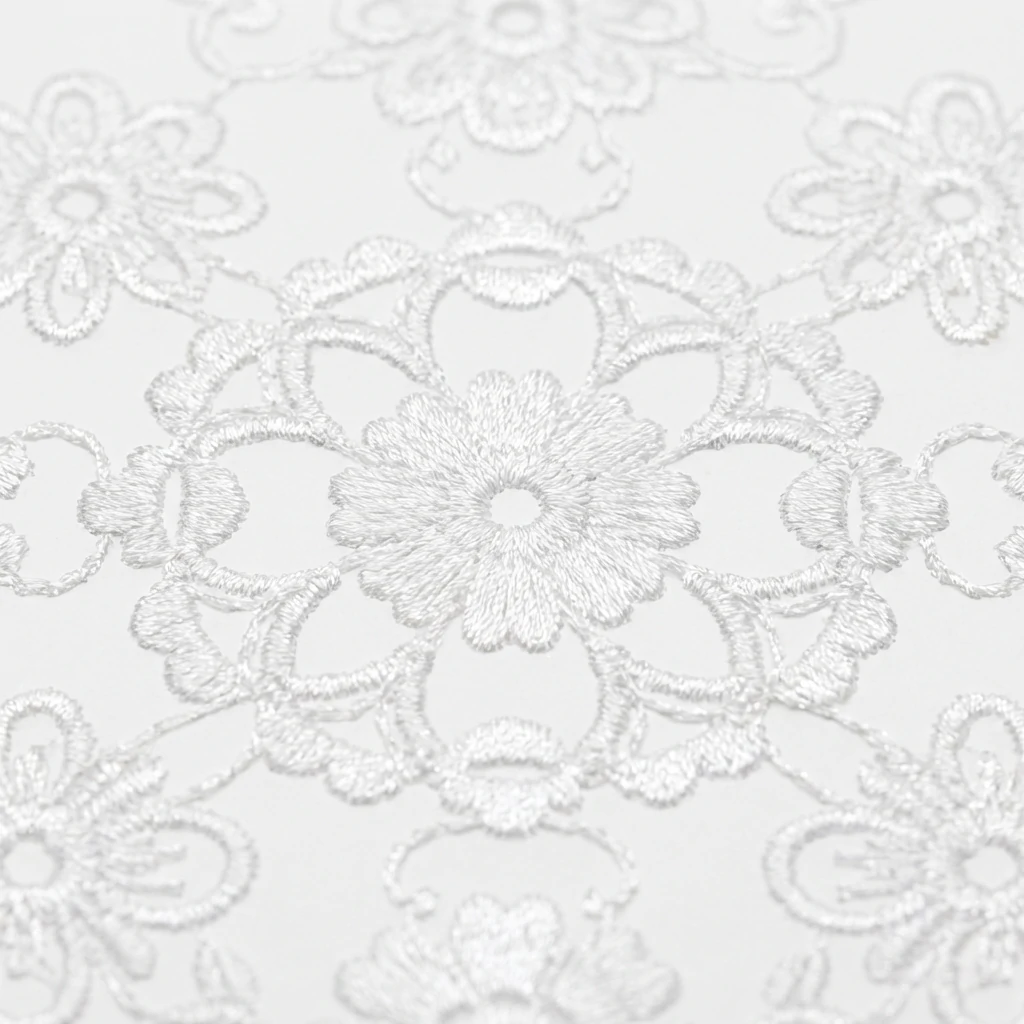
Polyester lace, on the other hand, is made from synthetic fibers that deliver unmatched durability and versatility. This lace type is favored for its cost-efficient production and ability to withstand heavy usage without compromising on quality. Its smooth texture and slight sheen lend a modern aesthetic, making it an excellent choice for trendy designs and everyday apparel.
Unlike cotton lace, polyester lace resists wrinkles, retains its shape after numerous washes, and offers exceptional UV resistance. It is also compatible with a broader range of vibrant dye options, enabling manufacturers to produce bold and colorful designs efficiently.
While polyester lace lacks the natural feel of cotton, its affordability and resilience make it a practical option for bulk production, home décor projects, and garments that require longevity over luxurious texture.
Whether you prioritize the timeless elegance of cotton lace or the practicality of polyester lace, both options serve unique purposes in the textile industry. Understanding their differences will help you select the best material for your specific needs and applications.