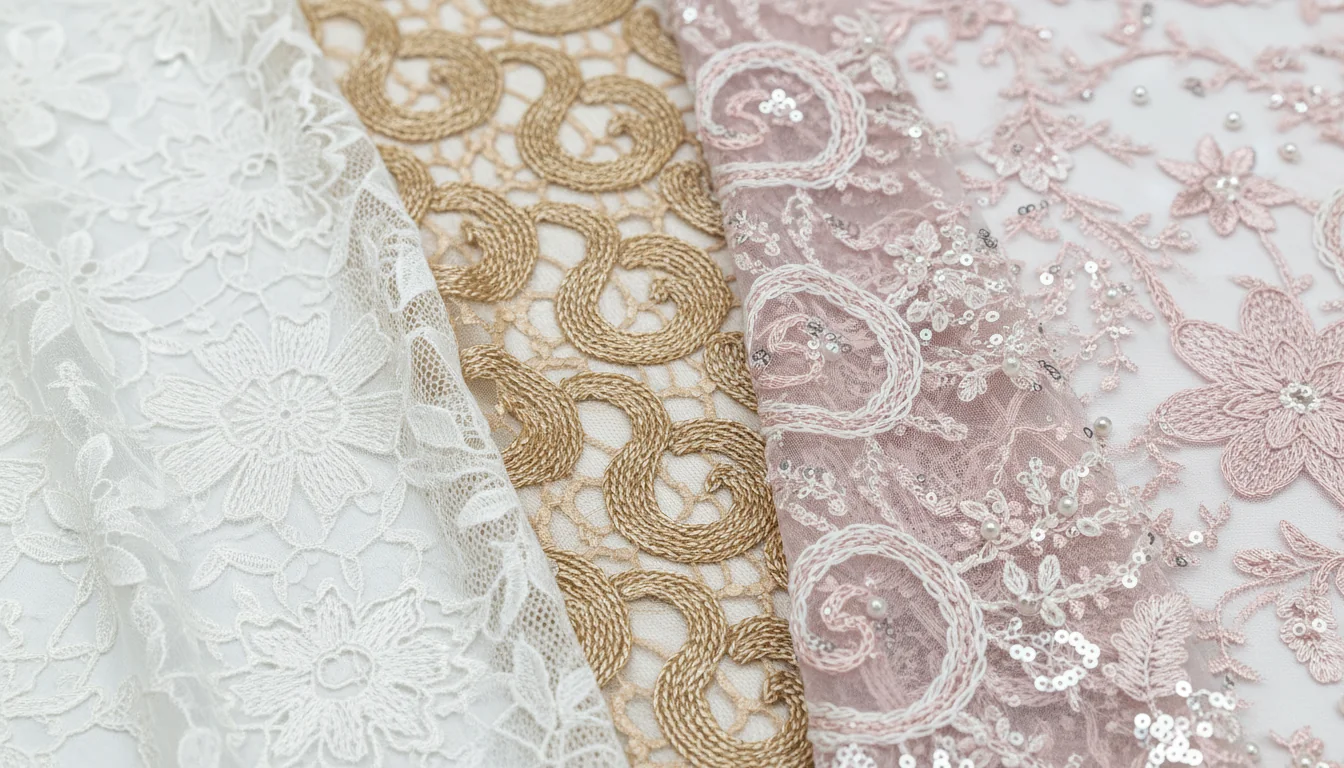
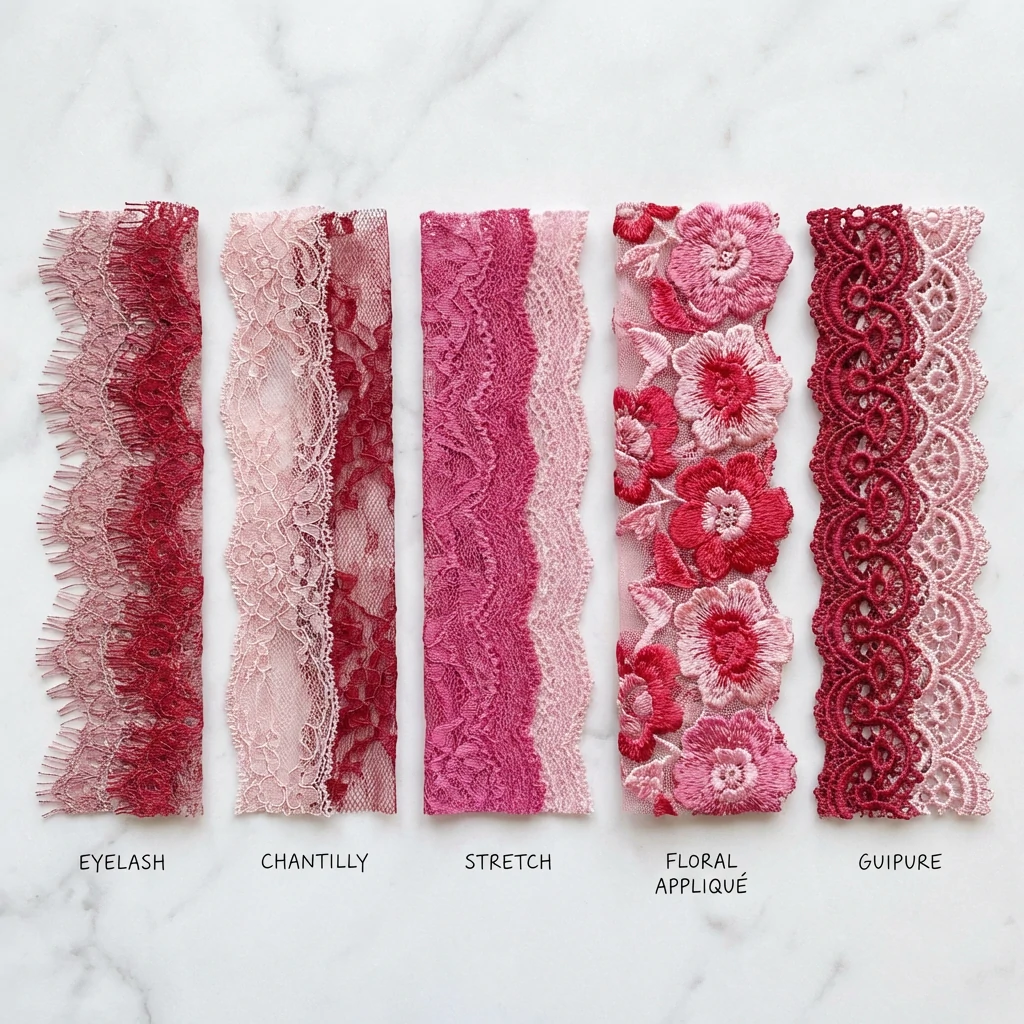
As the textile and lace fabric industry evolves toward 2026, embroidery fabrics are set to redefine luxury with a fusion of cutting-edge technology and eco-conscious innovation. To remain competitive, fashion designers and buyers in the B2B sector must align with these transformative trends shaping the future of sustainable embroidery fabrics.
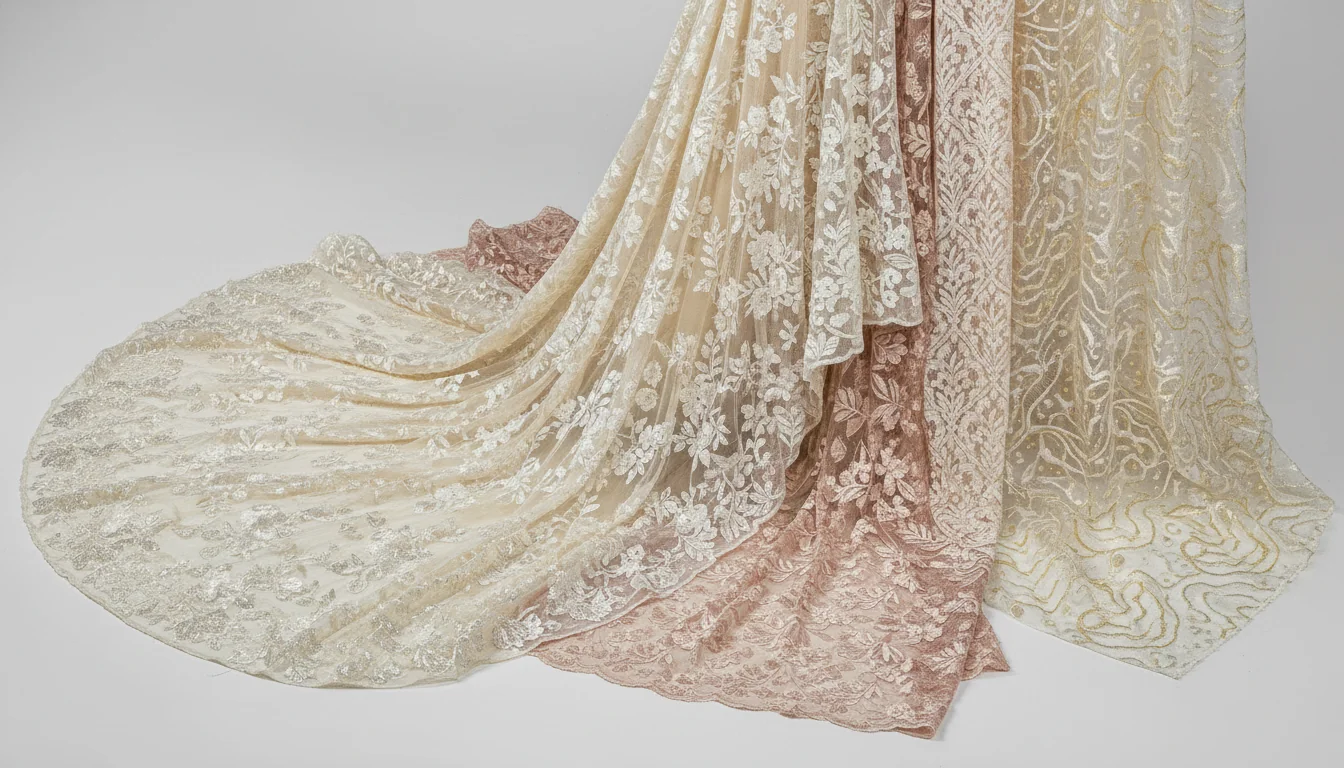 blog/a-guide-to-high-end-embroidery-fabric-techniques-schiffli-cord-and-beyond" rel="internal">Embroidery Fabric Trends: The Future of Sustainable Luxury">2026 Embroidery Fabric Trends: The Future of Sustainable Luxury - Image 1
1. Eco-Couture: Pioneering Sustainability with Bio-Based and Recycled Fabrics
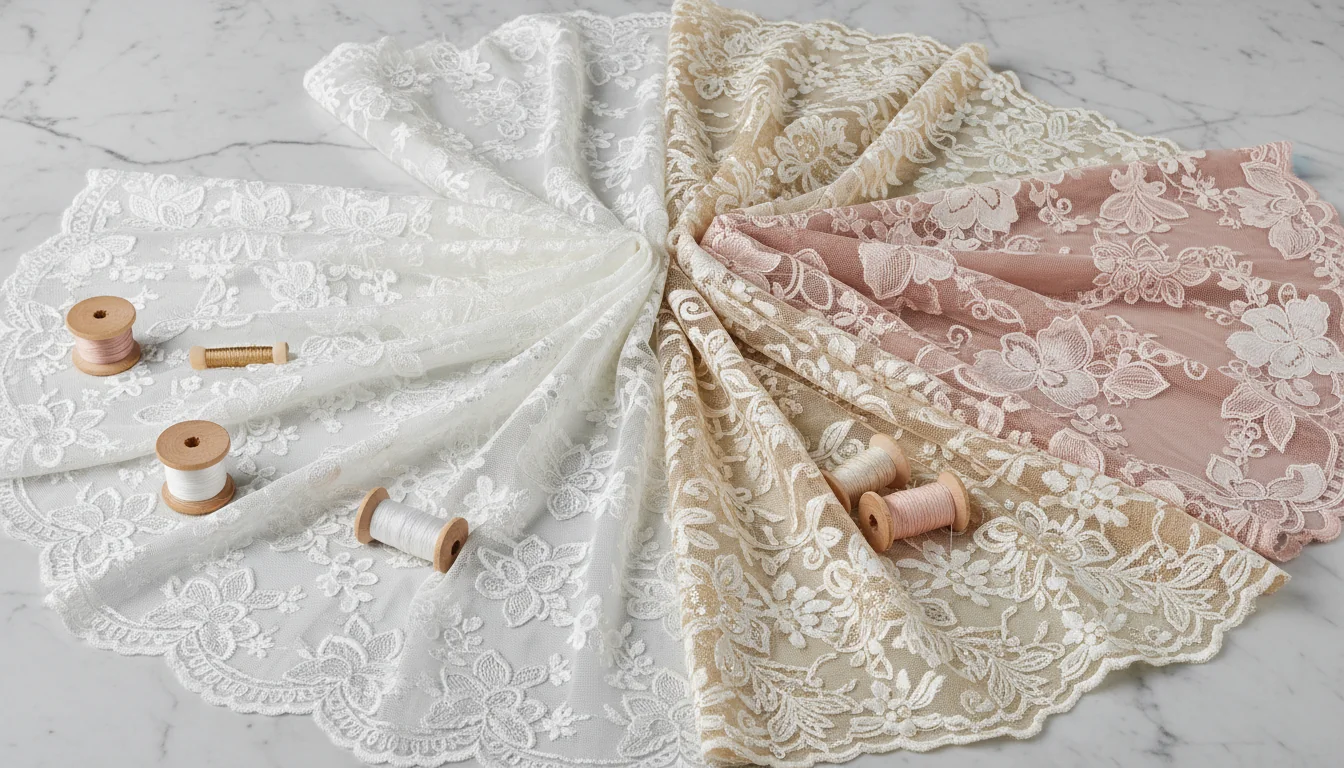
In 2026, sustainability transcends being a mere trend—it’s the new industry benchmark. Embroidery fabrics crafted from organic linen and recycled tulle are leading the eco-couture movement. Additionally, the threads themselves are undergoing a revolution, with Tencel™ and recycled polyester threads providing the high-shine finish valued in traditional rayon embroidery while significantly reducing environmental impact. These innovations are driving demand for sustainable luxury in the textile trade, offering eco-conscious brands a competitive edge.
2. Micro-Nature: The Rise of Intricate Organic Patterns
Design inspiration in 2026 is shifting from oversized floral motifs to nature’s smallest wonders. Patterns inspired by cellular structures, fungal networks (mycelium), and moss-like textures are gaining traction. These dense, micro-geometric designs create visually compelling and highly tactile surfaces that bridge the gap between natural aesthetics and futuristic design. For lace and embroidery suppliers, offering fabrics with these intricate patterns will cater to the growing demand for modern yet organic textile solutions.
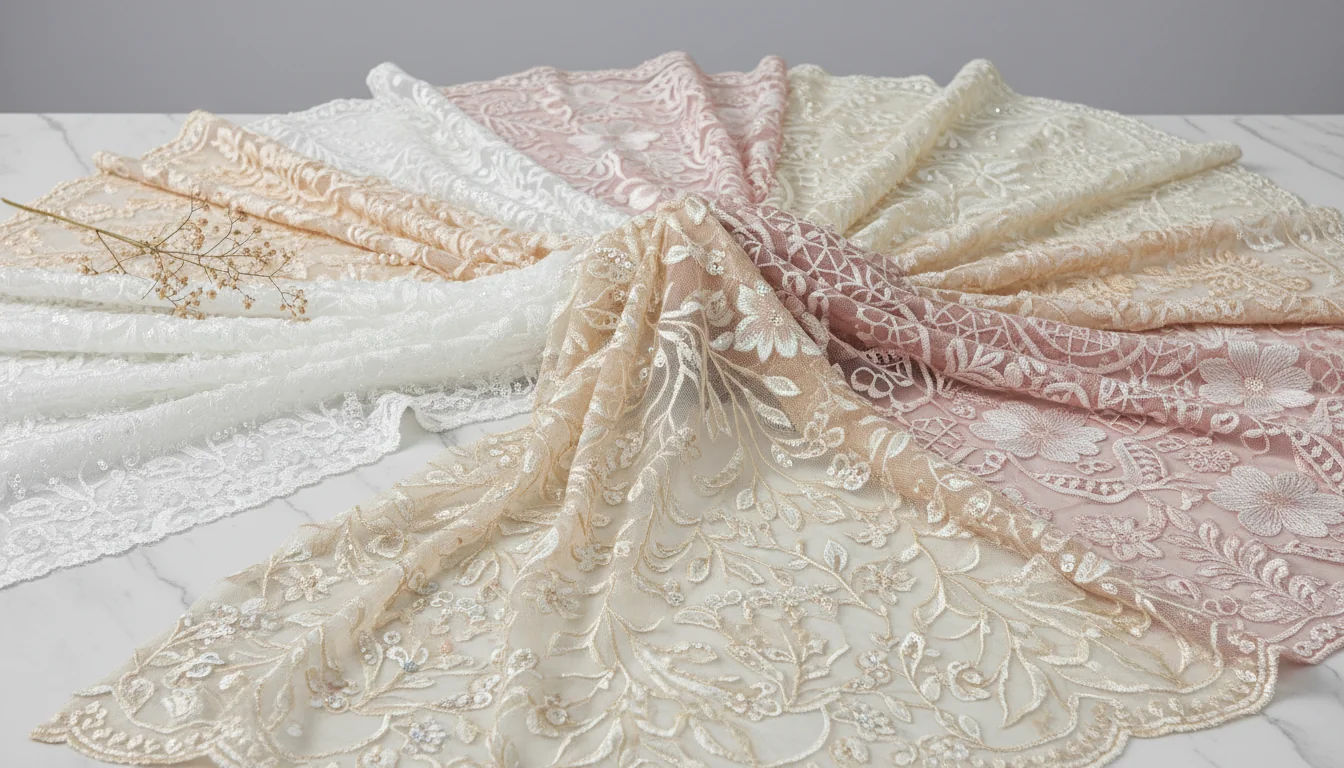 2026 Embroidery Fabric Trends: The Future of Sustainable Luxury - Image 2
3. Sculptural Dimensions: The 3D Relief Effect
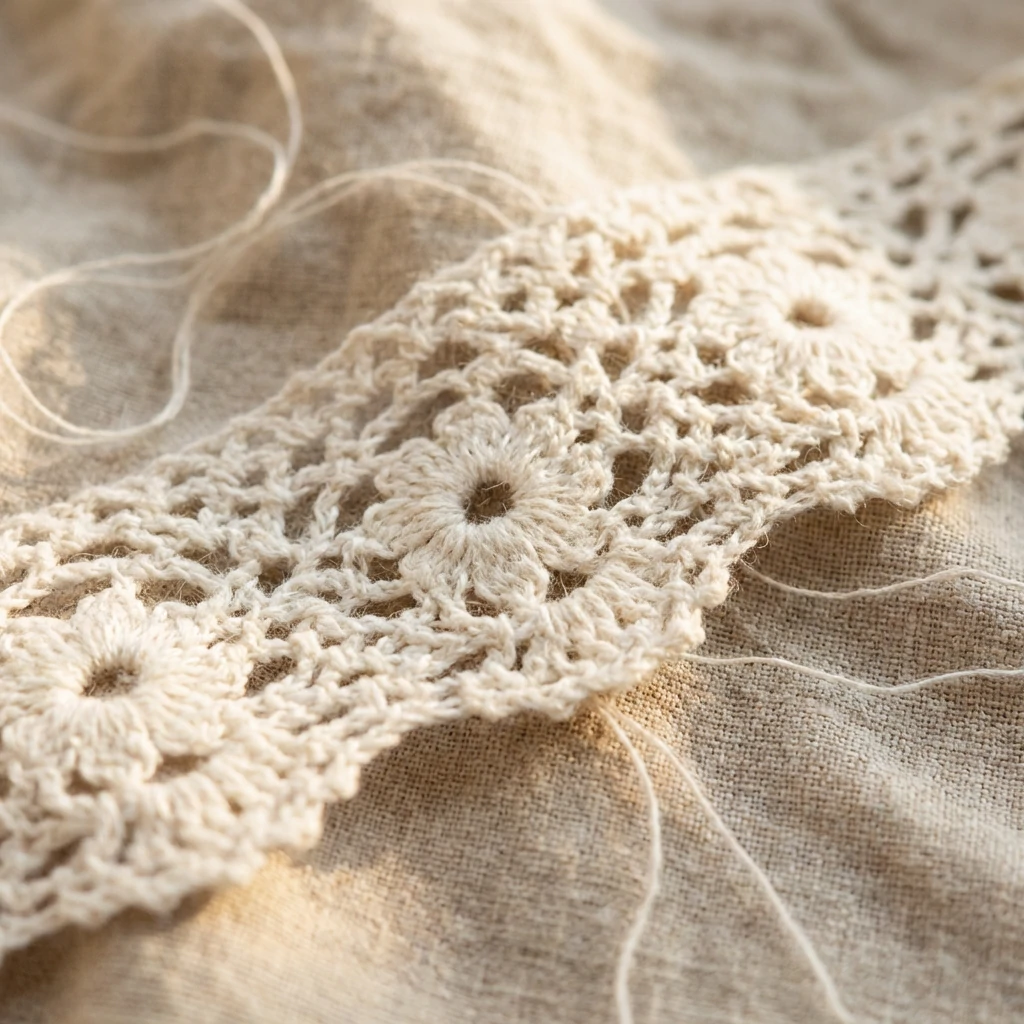
Flat embroidery is giving way to textured, dimensional designs that resemble wearable art. The innovative 3D relief effect incorporates varied thread thicknesses, layered embroidery techniques, and laser-cut fabric appliqués to produce multi-dimensional surfaces. This trend is particularly suited for high-end fashion and luxury collections, providing buyers with unique options that push the boundaries of textile artistry. Manufacturers investing in these advanced production techniques are positioning themselves as leaders in the future of embroidery fabric.
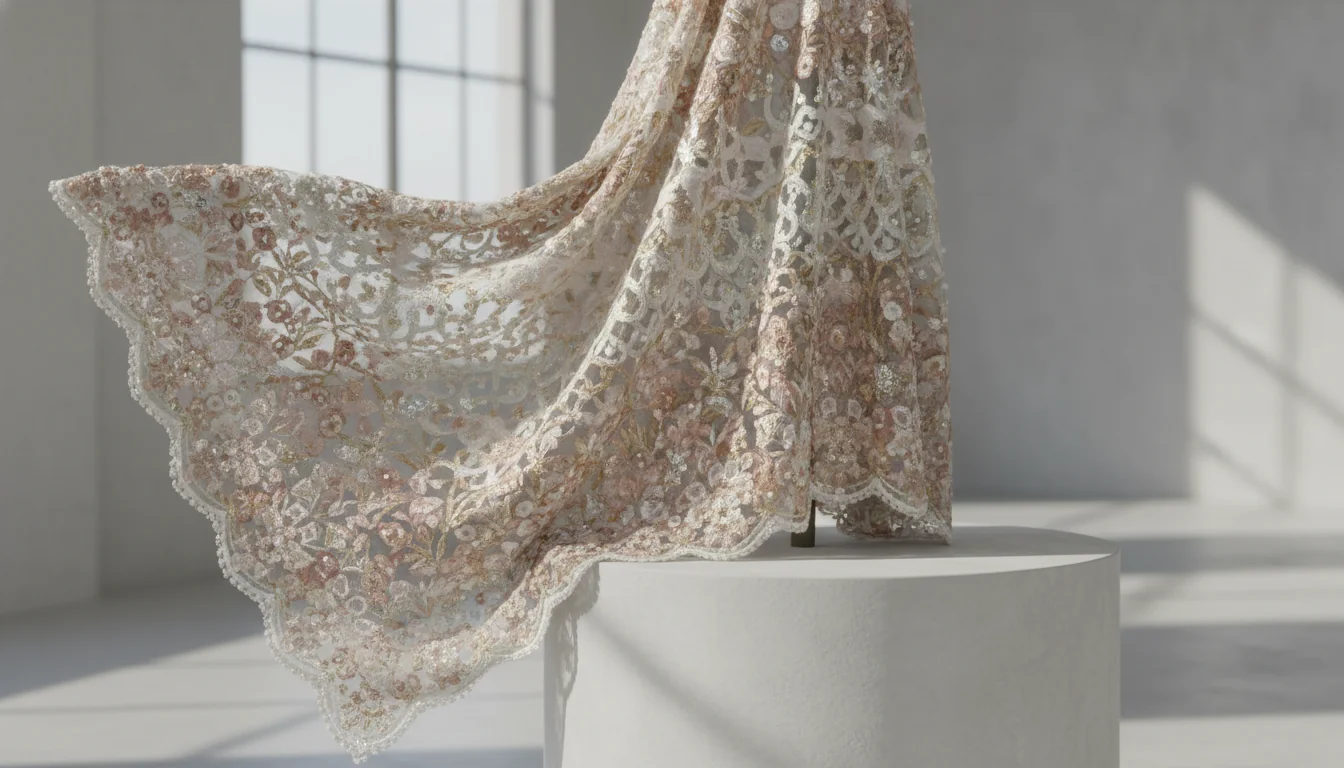 2026 Embroidery Fabric Trends: The Future of Sustainable Luxury - Image 3
The embroidery fabric industry in 2026 is poised for remarkable growth driven by sustainability, intricate designs, and dimensional innovation. For B2B textile manufacturers and lace fabric suppliers, embracing these trends ensures the ability to meet the evolving needs of eco-conscious and design-forward clients while securing a strong foothold in the global marketplace.